Running out of storage on your Apple Watch can bring your smartwatch experience to a screeching halt. Whether you’re blocked from installing a critical watchOS update, apps are crashing, or your watch is acting sluggish, the culprit is often full storage. With limited onboard space—especially on older models—even a few downloaded music playlists or synced photo albums can quickly consume precious gigabytes. The good news: you can delete and manage storage on Apple Watch using built-in tools and smart strategies. This guide walks you through every step, from removing apps and media to deep resets, so you can reclaim space fast and keep your Apple Watch running smoothly.
Check Your Storage First
Before deleting anything, you need to know what’s using your space. Apple Watch doesn’t display real-time storage usage by default, but you can check it in two ways—right on your wrist or via your iPhone.
View Storage on Apple Watch
- Press the Digital Crown to open the home screen.
- Tap Settings.
- Go to General > Storage.
- Wait a moment as your watch calculates usage.
- Scroll down to see a breakdown of:
– Apps
– Music
– Photos
– Podcasts
– Other
This screen shows exactly which content types are taking up space. If “Other” uses most of your storage, it likely includes system logs, cached files, or corrupted data—common on older models like Series 3.
✅ Pro Tip: If “Other” exceeds 50% of your total storage, it’s a red flag. A full reset may be needed to clean up hidden system bloat.
Check Storage via iPhone (More Detailed)
For a clearer view, use the Watch app on your iPhone:
- Open the Watch app.
- Tap the My Watch tab.
- Go to General > Storage.
- Wait for the list to load.
- Tap any category to see individual apps, playlists, or albums.
The iPhone version often reveals more details—especially for third-party apps with large caches.
✅ Critical Insight: If you’re trying to install a watchOS update, Apple requires 1–2GB of free space. Free up room before retrying.
Delete Unused Apps

Apps are one of the biggest storage hogs, especially third-party ones with offline data or large caches.
Remove Apps from Apple Watch
- Press and hold any app icon on the home screen.
- When icons start wiggling, tap the × on the app you want to delete.
- Confirm with Delete App.
⚠️ Note: You can’t delete built-in Apple apps like Weather or Stocks, but they use minimal space.
Uninstall Apps via iPhone
For better control, manage apps from your iPhone:
- Open the Watch app.
- Go to My Watch > Installed on Apple Watch.
- Find the app and tap it.
- Toggle off Show App on Apple Watch.
This removes the app from your watch but keeps it on your iPhone for future use.
✅ Best for: Apps you rarely use—like translation tools, fitness trackers, or games with heavy data.
Clear Music and Podcasts
Media files are often the top storage culprits. A single music album can take up hundreds of MB.
Delete Music from Apple Watch
On iPhone:
- Open the Watch app > Music.
- Tap Edit.
- Tap Delete next to playlists, albums, or songs.
On Apple Watch:
- Open the Music app.
- Tap Library > Albums.
- Swipe left on an album > Delete from Library.
✅ Pro Tip: Use Apple Music streaming instead of downloading. Play songs on-demand without storing them.
Remove Podcasts
- In Watch app > Podcasts:
– Reduce Saved Episodes.
– Limit Up Next to fewer than 10 episodes.
– Tap a podcast > turn off Auto-Download.
– Swipe left and tap Delete to remove all downloaded episodes.
⚠️ Warning: Deleting a podcast removes all offline episodes. You’ll need internet to stream again.
Reduce Photo Sync
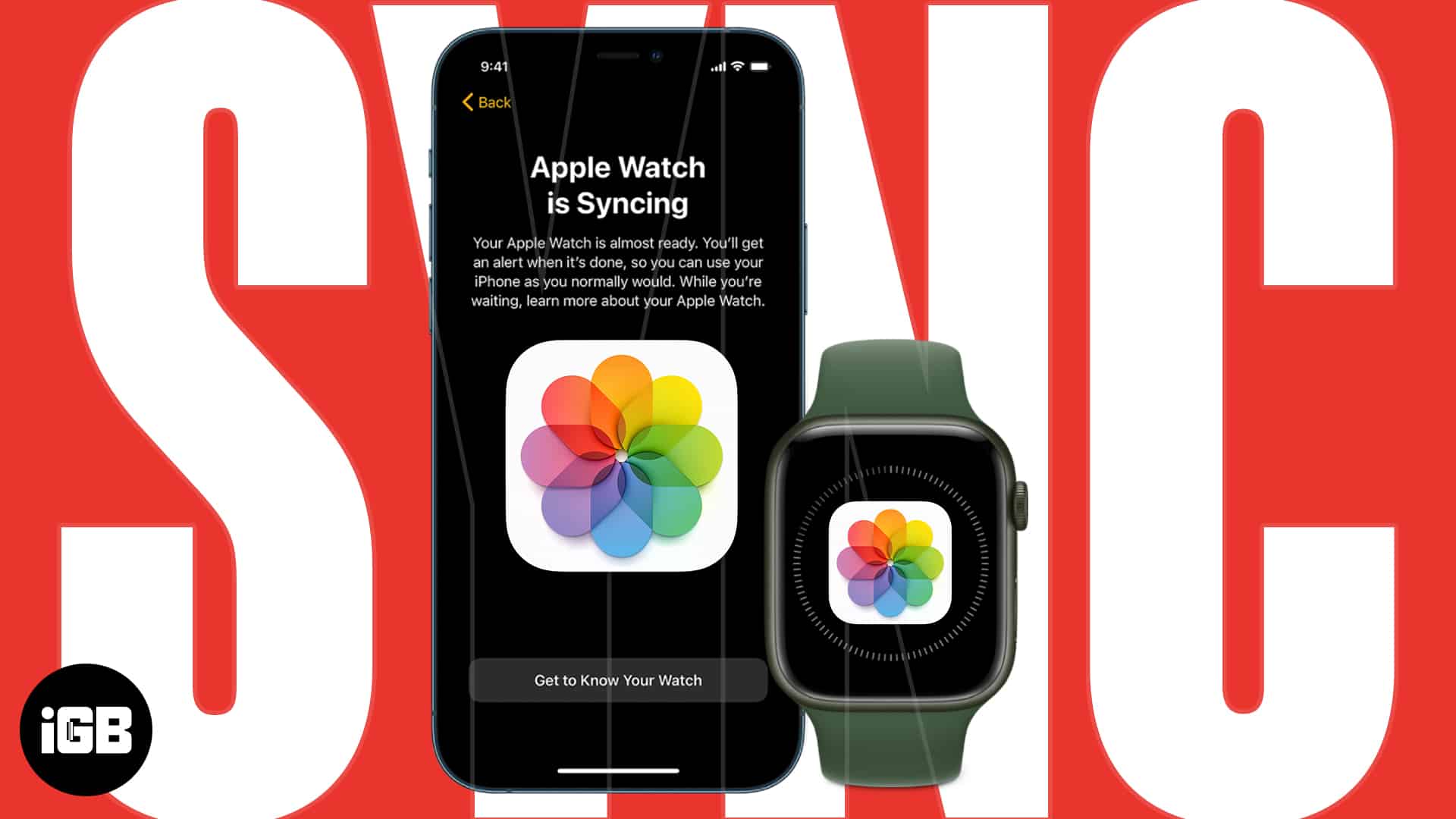
Syncing photos to your Apple Watch is convenient, but a full album can consume over 1GB.
Limit Photos on Apple Watch
- Open Watch app > Photos.
- Choose:
– Mirror my iPhone (syncs recent photos), or
– Custom (select one album). - Tap Sync Album and pick a smaller one.
- Tap Photos Limit and choose 25 or 100 instead of unlimited.
✅ Recommendation: Set to 25 photos if you only use photos for watch faces.
To stop syncing entirely:
– Go to Photos > toggle off Sync.
Delete Audiobooks
Audiobooks can be massive—some take up 500MB+ each.
Remove Audiobooks
- In Watch app > Audiobooks.
- Tap Reading Now or Want to Read.
- Swipe left on any audiobook > Delete.
To prevent future syncing:
– Turn off Sync for both libraries.
Clear Messages
Message threads with images, videos, or attachments can quietly consume storage.
Delete Messages on Apple Watch
- Open Messages app.
- Swipe left on any conversation.
- Tap Delete.
⚠️ Note: This only removes the message from your watch. It stays on your iPhone unless deleted there.
To delete on iPhone:
– Open Messages > swipe left on a thread > Delete.
Clear Website Data
Cached web data from Safari or web apps can build up over time.
Clean Browser Cache
- On Apple Watch, go to Settings > General > Website Data.
- Tap Clear Website Data.
- Confirm with Clear Data.
✅ Result: Frees minor space but improves browser speed and fixes glitches.
Restart Your Apple Watch
A simple restart clears temporary files and can resolve inaccurate storage reporting.
How to Restart
- Press and hold the side button until the power slider appears.
- Drag to Power Off.
- Wait 30 seconds.
- Press and hold the side button again to turn it back on.
After restarting:
– Recheck storage in Settings > General > Storage.
– Try installing updates again.
✅ Use Case: Minor glitches, inaccurate storage reporting.
Erase All Content and Settings
When “Other” storage is bloated or cleanup isn’t working, a full reset is the best fix.
Factory Reset Apple Watch
- Open Settings on Apple Watch.
- Tap General > Reset.
- Select Erase All Content and Settings.
- Enter your passcode.
- Tap Erase All.
⚠️ Warning: This deletes everything—apps, settings, media, and watch faces.
But don’t worry:
– Your iPhone keeps a backup of your watch data.
– You can restore after setup.
After reset:
– Re-pair your watch.
– Choose Restore from Backup to get back health data, activity rings, and preferences.
✅ Result: “Other” storage drops significantly—often from 15GB to under 6GB on older models.
Unpair and Re-pair Apple Watch
This is the most powerful fix for stubborn storage issues.
How to Unpair
- Keep iPhone and watch close.
- Open Watch app > All Watches.
- Tap the info (i) button next to your watch.
- Tap Unpair Apple Watch.
- Confirm (you may need your Apple ID password for Activation Lock).
🔄 What Happens: iPhone creates a fresh backup, then fully erases the watch.
After unpairing:
– Set up as New or Restore from Backup.
– During setup, check storage—it should now be much lower.
✅ Best for: Persistent “Storage Full” errors, especially on older models.
Why Storage Fills Up Without Media
Some users report full storage even with no apps or media. This is usually due to:
- System logs and diagnostics accumulating over time.
- Corrupted caches or file system errors.
- Hidden temporary files not shown in breakdowns.
- “Other” bloat—common in Series 3 and older models.
✅ Fix: A full unpair and re-pair clears these hidden files.
Model-Specific Tips
Apple Watch Series 4, SE, or Later
Follow this order:
1. Restart the watch.
2. Delete apps and media.
3. If still stuck, unpair and update.
These models support the latest watchOS and have better storage management.
Apple Watch Series 3
With only 8GB (GPS) or 16GB (cellular), space runs out fast.
- Skip minor fixes if critically low.
- Go straight to unpair and re-pair.
- No more watchOS updates—Apple dropped support.
⚠️ Recommendation: Upgrade if you rely on your watch daily.
Prevent Future Storage Issues
Avoid running out of space again with these habits.
Regular Maintenance
- Check storage every 2–3 months.
- Delete unused apps before they grow.
- Limit photo sync to 25–100 images.
- Avoid downloading full music albums.
Stream Instead of Store
- Use Apple Music on-demand.
- Stream podcasts instead of saving episodes.
- Avoid storing large audiobooks.
Simplify Watch Faces
- Reduce complications.
- Delete unused watch faces.
- Avoid animated or GIF faces.
Clear Caches Monthly
- Restart both Apple Watch and iPhone.
- Clear website data via Settings > General > Website Data.
Keep Software Updated
- Install the latest watchOS and iOS.
- Updates often include storage optimizations.
When to Upgrade Your Apple Watch
If you’re constantly managing storage:
– Upgrade to Series 9, Ultra 2, or SE (2nd gen).
– These offer 32GB or 64GB—plenty for music, apps, and updates.
Older models like Series 3:
– Lack storage for modern apps.
– Can’t run new watchOS versions.
– Are not recommended for heavy use.
✅ Bonus: Apple Watch Ultra 2 (64GB) is ideal for offline music, maps, and fitness apps.
Summary: Best Ways to Delete Storage
| Method | Space Recovered | Effort | When to Use |
|---|---|---|---|
| Delete apps | High | Low | Quick cleanup |
| Remove music | High | Low | Media users |
| Limit photos | Medium | Low | Watch face users |
| Clear messages | Low-Medium | Low | Long-term users |
| Restart watch | Low | Very Low | Glitch fix |
| Erase all content | Very High | Medium | Deep cleanup |
| Unpair and re-pair | Maximum | High | Last resort |
Final Note: Always back up your Apple Watch before resetting or unpairing. While most data is safe, a backup ensures you don’t lose health stats, watch faces, or settings. With the right steps, you can delete storage on Apple Watch effectively—no matter your model. Keep it lean, keep it fast, and enjoy seamless performance.