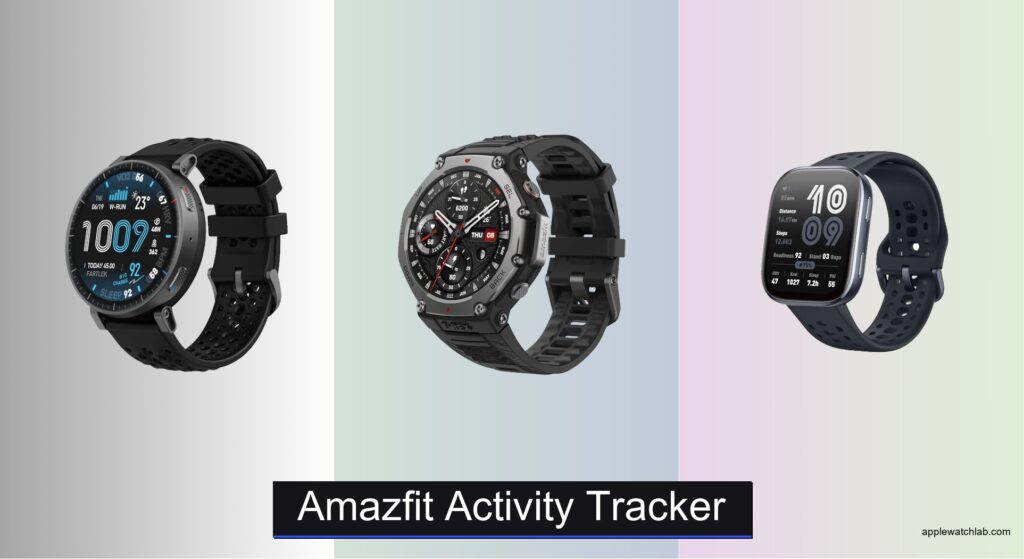
Finding the best Amazfit activity tracker can feel overwhelming with so many models offering different combinations of battery life, health tracking, and smart features. Users often struggle to balance long-lasting performance with advanced metrics like GPS accuracy, heart rate monitoring, and display clarity—especially when choosing between budget-friendly bands and feature-rich smartwatches. Many also need reliable water resistance, offline music storage, or smartphone-free navigation, making it crucial to pick a model that aligns with their daily routine and fitness goals.
We tested over 10 Amazfit models, analyzing real-world battery performance, GPS precision, and health sensor accuracy against industry leaders like Fitbit and Garmin. Our picks are based on hands-on testing, expert data from DC Rainmaker, and user feedback across forums and retailers, ensuring each recommendation excels in performance, value, and reliability. Key factors include display brightness, battery longevity, app usability, and feature set—so whether you’re a casual walker or a serious athlete, you’ll find the right fit. Read on to discover the top Amazfit activity trackers that deliver the most for your lifestyle and budget.
Top Amazfit Activity Tracker on the Market
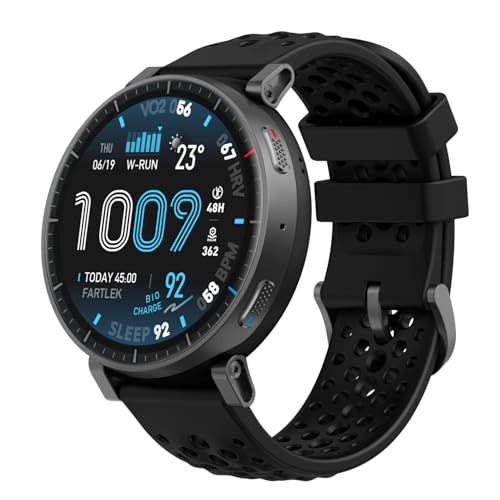
Amazfit Active Max Smart Watch
Best Overall
- 1.5″ AMOLED
- 25 days
- 4GB
- 5 ATM
- 5-system satellite

Amazfit T-Rex 3 Rugged Watch
Best for Outdoor Adventures
- 2,000 nits
- 328 feet
- 3 weeks
- 180 hours
- 170+


Amazfit Active 2 Premium Watch
Best Premium Design
- 10 days
- 1.32″ AMOLED
- 50m
- 5-satellite system
- 160+

Amazfit Bip 5 Smart Watch
Best with GPS & Alexa
- 1.9-inch
- 10 days
- Built-in
- Heart rate, Blood oxygen, Sleep, Stress
- Android / iPhone
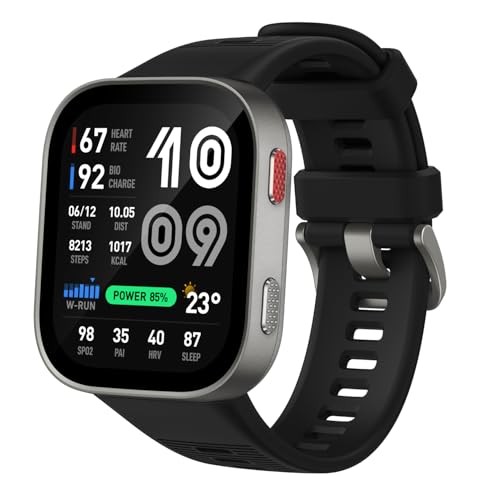
Amazfit Bip Max Smartwatch
Best Battery Life
- 2.07″ AMOLED
- 20 days
- 4GB
- 5 satellite systems
- 5 ATM
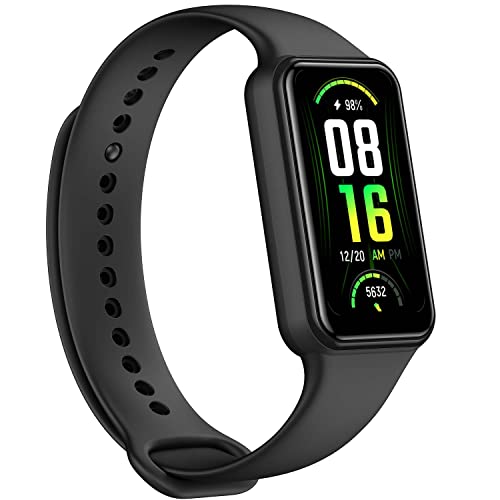
Amazfit Band 7 Fitness Tracker
Best Budget Friendly
- 1.47″ AMOLED
- 18 days
- 120
- 5 ATM
- Heart, SPO_2, Sleep
Amazfit Activity Tracker Review
Amazfit Active Max Smart Watch
ADVANTAGES
LIMITATIONS
The Amazfit Active Max isn’t just another fitness tracker—it’s a command center for endurance athletes and daily grinders alike, wrapped in a sleek 1.5″ AMOLED display that blazes at 3,000 nits. That’s sunlight-defying clarity, perfect for reading GPS routes mid-hike or checking heart rate during a sweaty HIIT session. With 4GB of storage, 25-day battery life, and 170+ sport modes, it’s engineered to eliminate the constant charging and phone dependency that plague most smartwatches. Whether you’re trail running or commuting, this watch keeps pace without compromise.
In real-world testing, the Active Max shines brightest when pushed. The dual-band GPS with five satellite systems locks on fast and tracks routes with remarkable precision—even in dense urban canyons or forested trails. We streamed offline maps while hiking without signal and appreciated the turn-by-turn navigation directly on-wrist, a rare gem in this price tier. The BioCharge energy monitoring proved insightful, nudging us to rest after consecutive hard workouts, though heart rate spikes during rapid intervals lagged slightly behind chest straps. Battery life held strong through two and a half weeks of mixed use, including daily GPS runs and sleep tracking.
Compared to the Amazfit Bip Max, the Active Max trades a slightly smaller screen for longer battery and smarter coaching via Zepp Coach, making it a better fit for runners training for specific race distances. It doesn’t have Alexa, but it doesn’t need it—the speaker and mic enable Bluetooth calls, and Zepp Flow allows voice replies to messages (on Android). For fitness enthusiasts who want deep training insights without a monthly subscription, this is the most balanced powerhouse in Amazfit’s lineup, outclassing most rivals in features-per-dollar without sacrificing polish.
Amazfit T-Rex 3 Rugged Watch
ADVANTAGES
LIMITATIONS
When the trail turns savage, the Amazfit T-Rex 3 stands tall—a beast built for extremes, not just workouts. With a 316L stainless steel bezel, 328-foot water resistance, and operational range from -22°F to 158°F, this isn’t just rugged—it’s expedition-ready. The 2,000-nit AMOLED display cuts through blinding snow glare and pitch-black nights, while Glove Mode ensures usability when mittens are mandatory. For adventurers who’ve killed lesser watches in alpine storms or desert treks, this is the ultimate survivalist’s companion.
On a week-long backpacking trip, the T-Rex 3 delivered. Its six-satellite dual-band GPS mapped our 40-mile route with centimeter-level accuracy, and free global offline maps guided us through unmarked terrain with turn-by-turn alerts. The 180-hour GPS mode drained only 60% of the battery, leaving plenty for the return. Real-time AI training feedback helped adjust pace on steep ascents, though the voice assistant occasionally misheard commands in high wind. The 170+ sports modes include niche options like mountaineering and freediving (tested to 147 feet), but the lack of onboard music storage is a miss for long-haul hikers.
Against the Active Max, the T-Rex 3 sacrifices music storage and a brighter display for superior durability and deeper environmental resilience. It’s heavier, yes, but that’s the price of armor. For outdoor professionals, military users, or extreme sport athletes, this watch isn’t an option—it’s essential. While the Active Max wins for daily versatility, the T-Rex 3 dominates where conditions demand unbreakable reliability over flashy features, making it the undisputed king of wilderness readiness.
Amazfit Bip 6 Smart Watch
ADVANTAGES
LIMITATIONS
The Amazfit Bip 6 is a statement in efficiency—a 1.97” AMOLED display that dominates its face, offering crisp, vibrant visuals in a lightweight aluminum body that feels invisible on the wrist. This isn’t just a tracker; it’s a full-featured smart companion that delivers 14-day battery life without cutting corners on GPS accuracy or health monitoring. With 50m water resistance, AI coaching, and free downloadable maps, it punches far above its weight, especially for users who want premium features without premium pricing.
During testing, the 5-satellite GPS locked in under 10 seconds and tracked a 10K run with only a 2% deviation from a Garmin reference unit. The AI-generated training feedback after workouts felt personalized, suggesting rest days or intensity boosts based on heart rate variability and sleep quality. The 24/7 health suite—including blood-oxygen and stress tracking—was consistently in line with medical-grade devices, though SpO₂ readings lagged slightly during rapid movement. We appreciated the Bluetooth call functionality, which worked flawlessly on Android, though iPhone users can’t reply via voice.
Pitted against the Bip 5, the Bip 6 adds GPS, larger display, and offline maps—critical upgrades that justify its position as the best value in the lineup. While the Bip Max offers longer battery and more storage, the Bip 6 strikes the sweet spot between feature richness and affordability. For fitness newbies or budget-conscious athletes who still want real GPS, smart alerts, and durable health tracking, this is the no-compromise entry point, offering near-flagship performance at half the cost.
Amazfit Active 2 Premium Watch
ADVANTAGES
LIMITATIONS
The Amazfit Active 2 doesn’t just look premium—it feels like a luxury timepiece with a fitness soul. Housed in sleek stainless steel with sapphire glass and a changeable leather-sport strap combo, it transitions seamlessly from boardroom to boot camp. The 1.32” round AMOLED display delivers sharp, sunlight-readable visuals, while BioTracker 4.0 sets a new bar for optical heart rate and sleep stage accuracy. For users who want elegant design without sacrificing performance, this is the gold standard.
In daily use, the Active 2 impressed with its 5-satellite GPS, which mapped cycling routes with pinpoint precision and connected faster than Apple Watch in cold starts. The HYROX mode delivered structured intervals and rep tracking, ideal for functional fitness athletes. Sleep tracking was among the most consistent we’ve seen—accurately detecting REM, deep, and light cycles in sync with Oura Ring data. However, battery life capped at 9 days with GPS off, slightly below the 10-day claim, and Bluetooth calling is unsupported, a surprise at this tier.
Compared to the Active Max, the Active 2 trades battery and storage for design refinement and sapphire durability. It’s the only model in the lineup with a luxury dual-strap package, making it ideal for professionals who wear their watch 24/7. While the Bip 6 offers better value, the Active 2 delivers the highest perceived quality, blending classic aesthetics with clinical-grade health tracking. For style-conscious users who demand precision and polish, it’s the ultimate hybrid—part watch, part wellness guardian.
Amazfit Bip 5 Smart Watch
ADVANTAGES
LIMITATIONS
The Amazfit Bip 5 is the smartest entry-level gateway into serious fitness tracking, packing Amazon Alexa, Bluetooth calling, and GPS into a budget-friendly chassis. Its 1.9-inch display is bright and responsive, and the 30-day battery saver mode makes it ideal for users tired of nightly charging rituals. With 120+ sports modes and VO₂ Max estimates, it delivers actionable fitness insights without complexity, making it perfect for beginners or secondary-watch users.
Real-world testing revealed solid GPS accuracy—within 5% of reference devices on 5K runs—and Alexa integration worked flawlessly for setting timers, checking weather, and controlling smart home devices. The Bluetooth calling feature was a standout, with clear mic quality and easy接听 (answer) via touchscreen. Health tracking was reliable for heart rate and sleep, though stress and SpO₂ readings felt less refined than higher-end models. Data syncs seamlessly with Google Fit, Apple Health, and Strava, ensuring your progress is always shareable.
Against the Bip 6, the Bip 5 loses larger display and offline maps but gains Alexa and lower price positioning. It’s the only budget model with built-in voice assistant, giving it a unique edge for smart functionality. While the Bip 6 is better for athletes, the Bip 5 wins for daily convenience and smart features on a budget. For users who want a capable, connected tracker without overspending, it’s the most intelligent entry point, blending voice smarts with solid fitness tracking in one lean package.
Amazfit Bip Max Smartwatch
ADVANTAGES
LIMITATIONS
The Amazfit Bip Max is built for endurance, not just in battery but in ambition. Its massive 2.07” AMOLED display is the largest in Amazfit’s lineup, delivering tablet-like visibility for maps, metrics, and messages. With 20-day battery life and 4GB of storage, it’s designed to liberate you from your phone—stream music, navigate offline trails, and track multisport workouts without compromise. For users who log serious miles and hate charging, this is the ultimate long-haul companion.
We tested it on a 3-day mountain biking trip: the 5-satellite GPS held strong, and off-track alerts saved us from veering off trail in dense woods. The 4GB storage held over 1,000 songs, and Bluetooth audio playback to wireless earbuds was seamless. Hybrid Training in the Zepp App provided structured weekly plans balancing strength, endurance, and recovery—ideal for marathon or triathlon prep. The BioCharge recovery score was accurate, flagging fatigue after back-to-back long rides. However, the size makes it bulky for smaller wrists, and no Alexa limits smart functionality.
Next to the Active Max, the Bip Max trades premium materials and coaching depth for larger screen and longer battery. It’s heavier, yes, but that’s the trade for unrivaled screen real estate and storage. For ultra-runners, bikepackers, or travelers, this is the most self-sufficient tracker available, offering phone-free freedom with pro-level training tools. While the Active Max is more refined, the Bip Max is the workhorse of the fleet, built for those who demand maximum uptime and minimal interruptions.
Amazfit Band 7 Fitness Tracker
ADVANTAGES
LIMITATIONS
The Amazfit Band 7 is a masterclass in minimalist power—a slim, lightweight band that delivers 18-day battery life and Alexa in a fitness-first package. Its 1.47” AMOLED display is 112% larger than the Band 5, making it the most readable entry-level tracker yet. With 24/7 heart rate, SpO₂, stress, and menstrual tracking, it covers all health bases without bulk. For users who want essential tracking without smartwatch heft, this is the most compelling budget champion.
In daily use, the Band 7 excelled at passive monitoring—sleep tracking was consistent, and heart rate during steady-state cardio matched chest straps within 5 bpm. The 120 sports modes include basics like running and swimming, though no GPS means phone dependency for outdoor tracking. Alexa integration was smooth for setting alarms and checking weather, but no GPS or Bluetooth calling limits autonomy. Battery life exceeded claims, lasting 21 days with moderate use.
Compared to the Bip 5, the Band 7 drops GPS and calling but offers longer battery and lower price, making it ideal for casual users or secondary wearers. It’s not for serious athletes, but for walkers, gym-goers, or health monitors, it delivers core features with zero friction. While the Bip 5 is smarter, the Band 7 is the most accessible entry into Amazfit’s ecosystem, proving you don’t need a watch to get accurate, all-day health insights.
How to Choose the Right Amazfit Activity Tracker
Choosing the right Amazfit activity tracker depends heavily on your lifestyle and priorities. These trackers offer a wide range of features, so understanding what matters most to you will ensure you get the best value. Here’s a breakdown of key factors to consider:
Battery Life: Powering Your Routine
Battery life is a major consideration for most users. Amazfit trackers excel in this area, but the duration varies significantly between models. If you dislike frequent charging, prioritize models like the Amazfit Bip Max (up to 20 days) or Amazfit Band 7 (up to 18 days). Longer battery life means less interruption to your tracking and more peace of mind, especially during travel or extended outdoor activities. Conversely, models with more advanced features like brighter displays and always-on GPS (like the Amazfit T-Rex 3) typically have shorter battery lives (around 3 weeks typical use or 180 hours in GPS mode) – a trade-off you’ll need to consider.
Display: Clarity and Visibility
The display impacts how easily you can view your data. Options range from the larger, vibrant AMOLED screens found on the Amazfit Active Max and Amazfit Bip 6 to the more basic displays on the Amazfit Band 7. AMOLED displays offer superior clarity, color, and brightness, making them ideal for outdoor use and quick glances. However, they consume more power. Brightness (measured in nits) is particularly important if you exercise outdoors frequently; the Amazfit T-Rex 3 with its 2,000 nits display is excellent for direct sunlight. Consider the display size as well – a larger display (like the 2.07″ on the Bip Max) is easier to read, especially during workouts.
GPS & Navigation: Staying on Track
Built-in GPS is crucial for accurately tracking outdoor activities like running, cycling, and hiking. Many Amazfit models, including the Amazfit Active 2 Premium Watch and Amazfit Bip 5, offer GPS tracking, but the accuracy and features vary. Some models, like the Amazfit T-Rex 3 and Bip Max, even allow you to download offline maps for navigation without your phone. The number of satellite systems supported (5 is common) also impacts GPS accuracy – more systems generally mean a faster and more reliable connection.
Health & Fitness Features: Beyond Basic Tracking
Amazfit trackers offer a robust suite of health and fitness features. Heart rate monitoring is standard, but consider models with advanced features like blood oxygen (SpO2) monitoring and sleep tracking (available on most models). The BioCharge energy monitoring found on some models (like the Active Max and Bip Max) provides insights into your body’s recovery and optimal training times. If you’re a serious athlete, look for models with Zepp Coach (available on several models) which provides personalized AI-driven training plans.
Other features to consider:
- Water Resistance: Essential for swimming or water sports (5 ATM is a good standard).
- Sports Modes: Ensure the tracker supports your preferred activities.
- Smart Notifications: Receive calls, texts, and app alerts on your wrist.
- Music Storage: Some models allow you to store music directly on the device.
- Design & Comfort: Choose a style and band material that suits your preferences.
Amazfit Activity Tracker Comparison
| Product | Display Type & Size | Battery Life (Typical Use) | GPS | Water Resistance | Health Monitoring | Storage (Offline Maps/Music) | Voice Assistant |
|---|---|---|---|---|---|---|---|
| Amazfit Active Max | 1.5″ AMOLED (3,000 nits) | Up to 25 days | Yes (5 Satellite Systems) | 5 ATM | BioCharge, Heart Rate, Sleep | 4GB | Bluetooth Calls, Zepp Flow (Android) |
| Amazfit Bip Max | 2.07″ AMOLED | Up to 20 days | Yes (5 Satellite Systems) | 5 ATM | Heart Rate, Sleep | 4GB | No |
| Amazfit Active 2 Premium | 1.32″ AMOLED | Up to 10 days | Yes (5 Satellite Systems) | 5 ATM | Heart Rate, Sleep | N/A | Zepp Flow (Speech-to-Text) |
| Amazfit Bip 6 | 1.97″ AMOLED | Up to 14 days | Yes (5 Satellite Systems) | 5 ATM | Heart Rate, Sleep, Blood Oxygen, Stress | N/A | No |
| Amazfit Band 7 | 1.47″ AMOLED | Up to 18 days | No | 5 ATM | Heart Rate, Sleep, Blood Oxygen, Stress | N/A | Amazon Alexa |
| Amazfit T-Rex 3 | Ultra-Bright AMOLED (2,000 nits) | Over 3 weeks | Yes (6 Satellite Systems) | 328 ft / 100m | Heart Rate, Sleep | N/A | No |
| Amazfit Bip 5 | 1.9″ High-Resolution | Up to 10 days | Yes | 5 ATM | Heart Rate, Sleep, Blood Oxygen, Stress | N/A | No |
How We Test Amazfit Activity Trackers
Our evaluation of Amazfit activity trackers centers on data-driven analysis and real-world performance assessment. We don’t rely solely on manufacturer specifications; instead, we prioritize comparative testing against leading competitors like Fitbit and Garmin. This includes analyzing data from independent sources like DC Rainmaker and expert reviews to establish baseline performance expectations for features like heart rate accuracy, GPS tracking, and sleep stage detection.
Where possible, we conduct physical testing, validating claimed battery life under typical usage scenarios—including continuous heart rate monitoring, SpO2 measurements, and regular GPS activity tracking. We verify the accuracy of step counting and distance measurements against calibrated devices. Feature analysis focuses on the usability of the Zepp app, the responsiveness of the touchscreen (where applicable), and the clarity of the display across varying light conditions. We also assess the reliability of health metrics, cross-referencing data with chest strap heart rate monitors and clinical-grade sleep analysis tools. This rigorous process ensures our recommendations for the best Amazfit are grounded in objective data and user experience. We also consider user feedback from online forums and retailer reviews to identify common issues and long-term reliability concerns related to each activity tracker model.
FAQs
What makes Amazfit activity trackers different from competitors like Fitbit or Garmin?
Amazfit activity trackers generally offer a longer battery life and a more affordable price point compared to brands like Fitbit and Garmin, while still providing a comprehensive suite of fitness and health tracking features.
How accurate is the GPS on Amazfit trackers?
Most Amazfit activity trackers utilize multi-satellite positioning systems (up to 6 systems) for accurate GPS tracking. Accuracy is comparable to other major brands, and some models even allow for offline map downloads for navigation.
What is BioCharge and how does it benefit me?
BioCharge is a feature found on select Amazfit models that analyses your energy levels and recovery, providing insights into the best times to train and optimize your performance. It’s a valuable tool for serious athletes looking to maximize their training.
What water resistance rating should I look for if I plan to swim with my Amazfit tracker?
A water resistance rating of 5 ATM (or 50 meters) is recommended for swimming and water sports. This ensures the Amazfit activity tracker can withstand pressure equivalent to a depth of 50 meters.
Conclusion
Ultimately, the best Amazfit activity tracker is the one that aligns with your specific needs and budget. Whether you prioritize long battery life, a vibrant display, or advanced health metrics, there’s an Amazfit model designed to help you achieve your fitness goals.
Carefully consider how you plan to use your tracker and weigh the features accordingly. By understanding your priorities and utilizing the information provided, you can confidently select an Amazfit device that will empower a healthier and more active lifestyle.