If you wear your Apple Watch every day—especially during workouts, in humid weather, or while sleeping—you’ve likely noticed your Sport Band picking up sweat, oils, and grime over time. A dirty band isn’t just unpleasant to look at; it can cause skin irritation, trap odor-causing bacteria, and even interfere with your watch’s heart rate and ECG sensors. The good news? Cleaning your Apple Watch Sport Band is simple, safe, and takes just minutes with basic household supplies.
Whether you own a silicone Sport Band, a breathable nylon Sport Loop, or a sleek Solo Loop, each material requires a slightly different care routine. This guide breaks down exactly how to clean every type of Apple Watch Sport Band using Apple’s official recommendations and real-world-tested tips. You’ll learn how to disinfect without damage, dry properly, avoid common mistakes, and extend the life of your band. Let’s keep your wearable fresh, functional, and irritation-free—starting now.
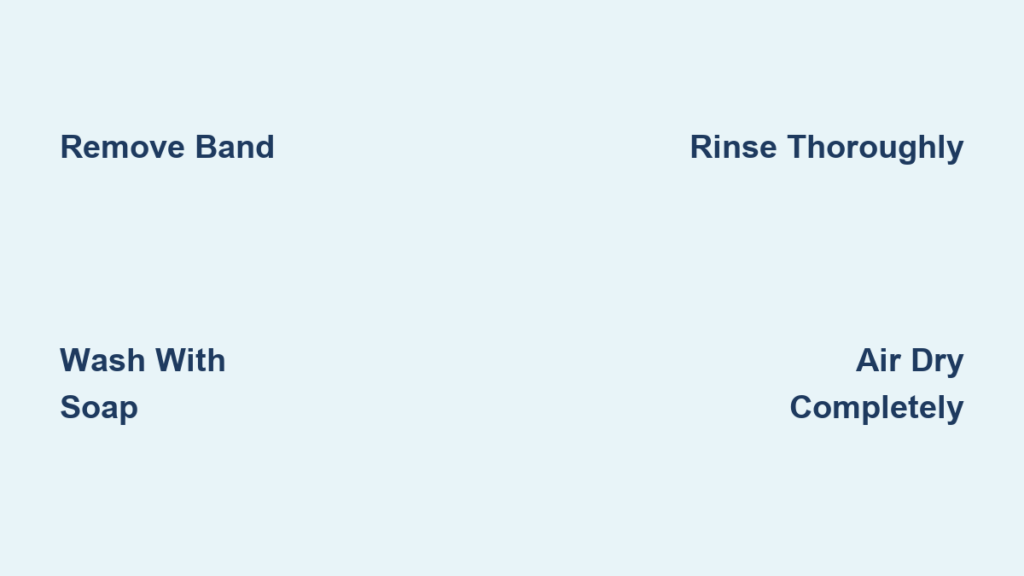
Remove Band Before Cleaning
Always detach the band before cleaning to protect your Apple Watch. Even small amounts of moisture or soap can seep into the watch case and compromise water resistance or damage internal sensors.
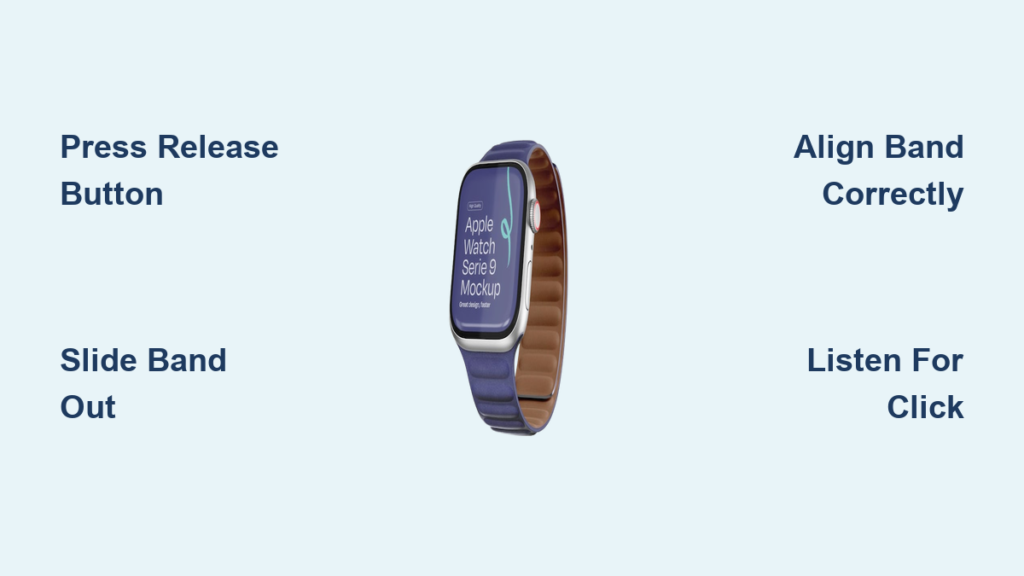
Press Release Button Correctly
Flip your Apple Watch over and locate the small release button near the band connector on the back. Press and hold it while sliding the band straight out. Repeat on the other side. Use gentle pressure—yanking can stress the mechanism or scratch the lugs.
Check for Debris in Connectors
Once removed, inspect the watch’s band connectors and the band’s attachment points. Use a dry, soft-bristled toothbrush to gently remove lint, dust, or dried sweat. Never blow into the openings—your breath contains moisture that may lead to corrosion over time.
Clean Silicone Sport Bands

Silicone bands—including the Sport Band, Nike Sport Band, Ocean Band, and Solo Loop—are water-resistant and durable, making them ideal for regular washing with soap and water.
Wash With Mild Soap and Water
Mix warm (not hot) water with 1–2 drops of mild dish soap or hypoallergenic hand soap. Submerge the band and use your fingers or a soft toothbrush to scrub both surfaces, especially the inner side where sweat accumulates. For textured bands, a toothbrush helps clean grooves and ridges effectively.
Rinse Thoroughly
Hold the band under lukewarm running water until all suds are gone. Residual soap can cause skin irritation or leave a sticky film that attracts more dirt.
Dry Completely Before Reattaching
Pat dry with a lint-free microfiber cloth, then air dry in a well-ventilated area away from direct sunlight or heat. Allow at least 6–12 hours, or overnight if damp. Reattaching a wet band can trigger moisture alerts and interfere with sensor accuracy.
🛑 Warning: Never reattach a silicone band that still feels damp—moisture trapped under the watch can cause skin rash or sensor errors.
Disinfect Non-Fabric Bands Safely
Apple officially approves disinfecting silicone and fluoroelastomer bands using specific wipes—ideal after gym sessions, travel, or illness exposure.
Use 70% Isopropyl Alcohol Wipes
Gently wipe the entire surface of the band for at least 30 seconds using 70% isopropyl alcohol wipes, 75% ethyl alcohol wipes, or Clorox Disinfecting Wipes. Do not soak or submerge. Avoid getting moisture into the band’s connectors.
✅ Safe for: Sport Band, Solo Loop, Nike Band, Ocean Band
❌ Not safe for: Nylon, leather, or FineWoven bands
Never Apply to Watch Case
Alcohol-based cleaners can degrade rubber seals on the Apple Watch itself, reducing water resistance. Only wipe the band—never apply alcohol directly to the watch body.
Avoid Bleach and Peroxide
Bleach, hydrogen peroxide, and ammonia-based cleaners can discolor silicone and weaken the material over time. Stick to Apple-approved disinfectants only.
Hand Wash Nylon Sport Loops

Nylon bands like the Sport Loop, Trail Loop, Alpine Loop, and Braided Solo Loop are breathable but delicate. Hot water or harsh treatment can shrink or distort the weave.
Use Cold or Warm Water Only
Rinse the band under lukewarm tap water to loosen sweat and debris. Never use hot water—it can damage synthetic fibers and cause shrinking.
Apply Mild Detergent Gently
Mix 1–2 drops of mild laundry detergent in a cup of water. Dip a soft cloth or your fingers and gently rub along the entire length of the band, working in both directions to clean trapped grime.
Do Not Wring or Twist
After washing, squeeze out excess water gently. Twisting can misshape the loops. Wrap the band in a dry towel to absorb moisture.
Air Dry Flat and Undisturbed
Lay the band flat on a drying rack or clean surface. Avoid folding or hanging, which can stretch the loops. Drying takes 6–24 hours depending on humidity.
✅ Pro Tip: Use a hairdryer on cool or low heat, held at least 12 inches away, to slightly speed drying—never apply high heat.
Machine Wash With Caution
While not officially recommended by Apple, many users safely machine-wash nylon bands when done carefully.
Protect in a Mesh Laundry Bag
Place the band in a zippered mesh laundry bag to prevent snagging. Alternatively, tuck it into the pocket of a pair of pants.
Use Gentle Cycle and Cold Water
Wash on the gentle or hand-wash cycle with mild detergent. Never use fabric softener—it leaves a residue that reduces breathability and traps odor.
Never Use the Dryer
High heat can melt, shrink, or warp the band. Always air dry.
⚠️ Only for nylon bands: This method does not apply to FineWoven, leather, or silicone bands.
Care for FineWoven Bands

FineWoven bands (used in Magnetic Link and Modern Buckle models) are delicate and not water-resistant. They require spot cleaning only.
Damp Cloth Spot Cleaning Only
Mix 1 teaspoon of liquid laundry detergent in 1 cup of water. Lightly dampen a lint-free cloth—wring thoroughly so it’s barely moist.
Gently Rub for One Minute
Wipe the band surface gently for up to 60 seconds. Do not scrub aggressively or allow liquid to pool.
Wipe With Clean Water Damp Cloth
Use a second cloth dampened with plain water to remove any soap residue.
Dry for 24 Hours
Blot with a dry microfiber cloth, then lay flat to air dry completely. Reattach only after full dryness.
❌ Never soak or submerge—this can permanently damage the material.
Prevent Skin Irritation and Odor
A clean band is essential for skin health. Sweat, bacteria, and trapped moisture are common causes of redness, rashes, and persistent odor.
Clean After Every Workout
Wipe or wash your band immediately after intense activity. Even a quick rinse removes sweat and oils before they set in.
Wear Snug, Not Tight
Allow airflow under the band to reduce moisture buildup. A too-tight fit traps sweat and increases irritation risk.
Rotate Between Multiple Bands
Switching bands lets each one dry fully and “breathe” between uses. It also extends their lifespan.
✅ Best for Sensitive Skin: Silicone bands are hypoallergenic and easiest to clean.
Avoid Common Cleaning Mistakes
Even with good intentions, improper methods can ruin your band.
Never Use Magic Erasers
Melamine sponges are too abrasive. They wear down silicone surfaces, making them sticky or dull.
Skip Fabric Softener
It leaves a residue on nylon bands that reduces breathability and traps odor.
Avoid Direct Heat
Hairdryers on high, radiators, or sunlight can warp silicone or shrink fabric. Let air drying do the work.
Don’t Soak Non-Water-Resistant Bands
FineWoven and leather bands should never be submerged. Spot clean only.
Drying Best Practices
Improper drying leads to mold, odor, and sensor errors.
Pat Dry First
Use a lint-free microfiber cloth to remove surface moisture from all band types.
Rotate Silicone Bands During Drying
Turn them occasionally to expose all sides to air, especially the inner curve and connectors.
Hang or Lay Flat for Nylon
Avoid clamping or folding. Let the band dry naturally in an open space.
🛑 Never rush drying—incomplete dryness risks skin irritation and ECG failures.
Clean Based on Usage Frequency
How often you clean depends on how much you wear and sweat.
Daily Wear With Workouts: Weekly
Wash silicone bands once a week. For nylon, hand wash weekly or every two weeks.
Occasional Use: Every 2–4 Weeks
Light wearers can clean less frequently but should still wipe down monthly.
After Swimming or Heavy Sweat: Immediately
Rinse with fresh water after exposure to chlorine, saltwater, or perspiration.
At First Sign of Stain or Smell: Clean Now
Don’t wait. Early cleaning prevents permanent stains and odors.
✅ Pro Tip: Keep a travel-sized soap sample and microfiber cloth in your gym bag for quick wipe-downs.
Maintain Long-Term Band Health
Extend the life of your bands with smart habits.
Wipe After Each Use
Even a quick wipe with a damp cloth removes sweat and oils before they set in.
Avoid Sunscreen and Lotions
Apply skincare products before putting on your watch. Chemicals can discolor or degrade band materials.
Store in a Cool, Dry Place
Keep bands away from UV light and heat sources to prevent fading and warping.
Inspect for Wear
Check for peeling (common on black bands), cracking, or sticky textures. These are signs it’s time to replace.
When to Replace Your Band
Even with proper care, bands don’t last forever.
Replace If Cracked or Brittle
Frayed edges or hard, inflexible material mean structural failure is near.
Persistent Odor After Cleaning
If smell remains despite washing, bacteria may be embedded—replace the band.
Connectors Feel Loose
A wobbly fit can lead to accidental drops. Replace if the connection feels unstable.
Skin Irritation Continues
If redness or rash persists, switch bands and consult a dermatologist.
🔄 Apple Replacement Cost: Starts at $49 USD. Available in various colors and sizes.
Final Checklist: Clean Apple Watch Sport Band
✅ Remove band from Apple Watch
✅ Use mild soap (dish soap, hand soap, or laundry detergent)
✅ Use lukewarm water—never hot
✅ Scrub gently with fingers or soft brush
✅ Rinse until no suds remain
✅ Pat dry with lint-free cloth
✅ Air dry completely (6–24 hours)
✅ Reattach only when fully dry
🚫 No bleach, peroxide, or Magic Erasers
🚫 No soaking leather or FineWoven bands
🚫 No high heat drying
🚫 No submerging the Apple Watch
The soap and water method is the gold standard—safe, effective, and recommended by Apple. Whether you’re cleaning a white Solo Loop after a run or disinfecting a Nike Sport Band, sticking to gentle, consistent care keeps your Apple Watch comfortable, hygienic, and performing at its best. When in doubt, keep it simple: clean often, dry fully, and replace when needed.