If your Apple Watch silicone band has started to feel gummy, look discolored, or carry a lingering odor, you’re not alone. Daily wear, sweat, fabric dye transfer, and skin oils take a toll—even on durable materials like silicone. The good news? With the right techniques, you can restore your Sport Band or Solo Loop to fresh, like-new condition without damaging it. This guide covers everything you need to know about cleaning your Apple Watch silicone band—from Apple’s official recommendations to user-tested deep-cleaning hacks. You’ll learn how to tackle stubborn stains, disinfect safely, and extend the life of your band with smart habits.
Remove Band Before Cleaning
Always detach the band before any cleaning to protect your Apple Watch.
Press and Slide Off Safely
Press the release button on the back of your Apple Watch case and slide the band straight out. Place your watch face-down on a soft, lint-free cloth to avoid scratches. Never clean the band while it’s attached—water or cleaning solutions can seep into the watch seals, risking internal damage.
Reattach Only When Fully Dry
Wait until the band is completely air-dried before reconnecting it. Even slight moisture can trap bacteria or cause skin irritation. Lay it flat on a clean towel in a well-ventilated area for at least 1–2 hours, or overnight if damp.
Use Warm Soapy Water (Apple’s Top Recommendation)
This is the safest method for regular cleaning and ideal for weekly maintenance.
Clean With Mild Soap and Soft Cloth
Mix a few drops of mild hypoallergenic hand soap or dish soap (like Dawn or Dr. Bronner’s) with warm—not hot—water. Dampen a non-abrasive, lint-free cloth or soft sponge and wipe the entire band. Focus on the underside, crevices, and areas that touch your skin, where sweat and grime accumulate.
Scrub Crevices With a Toothbrush
For textured or grooved areas, use a soft-bristled toothbrush to gently loosen debris. Avoid stiff brushes that could scratch the surface. Rinse thoroughly under lukewarm running water to remove all soap residue, which can irritate your skin if left behind.
Pro Tip: Cleaning once a week prevents buildup that leads to yellowing, odor, and premature wear.
Tackle Stubborn Stains With Targeted Methods

Routine washing won’t fix deep discoloration. Match the cleaning method to the stain type.
Remove Black Dye Transfer With Magic Eraser
Black or gray marks from dark jeans? A dampened Magic Eraser (melamine foam) lifts surface dye effectively. Gently rub only the stained area in small circles—don’t scrub the entire band. Rinse immediately and air dry.
⚠️ Warning: Magic Erasers are mildly abrasive. Overuse wears down the protective coating. Use sparingly—no more than once every few months.
Try Sponge Daddy for Gentler Stain Removal
For green stains (from towels or clothing), users report success with Sponge Daddy, a gentler alternative. It cleans without aggressive abrasion, making it ideal for frequent touch-ups on light-colored bands like Starlight or White.
Clear Deep Stains With Acetone
When other methods fail, acetone-based nail polish remover can erase set-in dyes. Apply with a cotton swab only to stained spots—do not soak. Work in short bursts, then wash the band with soapy water to remove chemical residue.
❗ Never use on non-silicone bands. Acetone can dry out and crack rubber over time if overused.
Lift Grime With Baking Soda Paste
Mix baking soda with water into a thick paste. Apply with a toothbrush and gently scrub discolored or grimy areas. Let sit 1–2 minutes, then rinse well. This method tackles both stains and odors thanks to baking soda’s mild abrasiveness and deodorizing power.
Disinfect and Eliminate Odors
A clean-looking band isn’t always germ-free. Sweat breeds bacteria like Staph and E. coli.
Sanitize With Rubbing Alcohol
Apple approves 70% isopropyl alcohol for disinfecting silicone bands. Dampen a lint-free cloth or cotton ball and wipe the entire surface, including edges and inner lining. Let it air dry—no rinsing needed. Alcohol evaporates quickly and kills most surface pathogens.
✅ Alternative: Clorox Disinfecting Wipes (75% ethyl alcohol). Wipe gently; don’t soak.
Neutralize Smells With Vinegar Soak
After scrubbing with baking soda, soak the band in a 1:1 mix of white vinegar and water for 5–10 minutes. Vinegar’s natural acidity kills odor-causing bacteria. Rinse thoroughly afterward to avoid lingering scent.
🚫 Never mix vinegar with bleach—even accidentally. It creates toxic fumes.
Use UV-C Light for Chemical-Free Sanitizing
Place the dry band in a UV phone sanitizer box for 5–10 minutes. UV-C light destroys up to 99.9% of germs without chemicals. Great for post-workout hygiene, but only use after physical cleaning—UV doesn’t remove dirt.
Avoid These Common Mistakes
Even well-intentioned cleaning can damage your band.
Don’t Use Harsh Chemicals
Avoid bleach, hydrogen peroxide, ammonia, or strong detergents. These break down silicone, causing cracking, fading, or stiffness.
Never Apply Heat to Dry
Do not use a hairdryer, microwave, oven, or direct sunlight. Heat warps and degrades silicone. Always air dry at room temperature.
Skip Abrasive Tools
Steel wool, stiff brushes, or rough sponges scratch the surface and strip the finish. Stick to soft cloths and toothbrushes.
Don’t Wash in Machine Without Protection
Some users toss bands in the washing machine inside a mesh laundry bag with mild detergent. While possible, this risks mechanical damage and accelerated wear. Apple does not recommend it.
Know Your Stain: Match Method to Cause
Different stains need different solutions.
| Stain | Likely Cause | Best Fix |
|---|---|---|
| Black/Gray Marks | Dark clothing dye | Magic Eraser, Acetone |
| Green Stains | Green fabrics, towels | Baking Soda, Sponge Daddy |
| Yellowing | Sweat, UV exposure | Soap + Water, UV Sanitizer |
| Odors | Bacterial buildup | Vinegar Soak, Alcohol Wipe |
| General Grime | Daily wear | Soft Brush + Mild Soap |
Sunlight doesn’t cause yellowing but makes it more visible. Store bands away from direct sun when not in use.
Clean Based on Your Usage
Frequency matters as much as method.
Weekly Cleaning for Active Wear
If you wear your Apple Watch daily or during workouts, clean once a week. Sweat and friction accelerate grime buildup and discoloration.
Biweekly for Casual Use
For occasional wear, cleaning every two weeks is sufficient to maintain hygiene and appearance.
Immediate Clean After Staining
Tackle fabric dye transfer (e.g., from black jeans) as soon as possible. The longer it sits, the harder it is to remove.
💡 Prevention Tip: Wipe the band with a dry cloth after each workout to reduce sweat accumulation.
Follow Apple’s Official Care Guidelines
Apple supports safe, effective cleaning—within limits.
Approved Cleaning Agents
- Mild soap and water
- 70% isopropyl alcohol wipes
- 75% ethyl alcohol wipes
- Clorox Disinfecting Wipes
What to Avoid
- Harsh chemicals
- Compressed air
- Ultrasonic cleaners
- External heat sources
Apple emphasizes regular cleaning to prevent sensor interference from grime on the back of the watch.
Step-by-Step Best Practice Routine

Use this sequence for optimal results.
For Regular Maintenance
- Remove the band from the watch.
- Wipe with warm, soapy water using a soft cloth or toothbrush.
- Rinse under lukewarm water.
- Pat dry, then air dry completely.
- Reattach once fully dry.
For Deep Cleaning
- Scrub stains with baking soda paste or magic eraser.
- Treat dye transfer with acetone on a cotton swab.
- Disinfect with alcohol wipe or UV sanitizer.
- Soak in vinegar if odors persist.
- Rinse and air dry before reattaching.
Replace When Signs of Wear Appear
Even perfect care won’t stop aging forever.
Replace If Band Is Cracked or Brittle
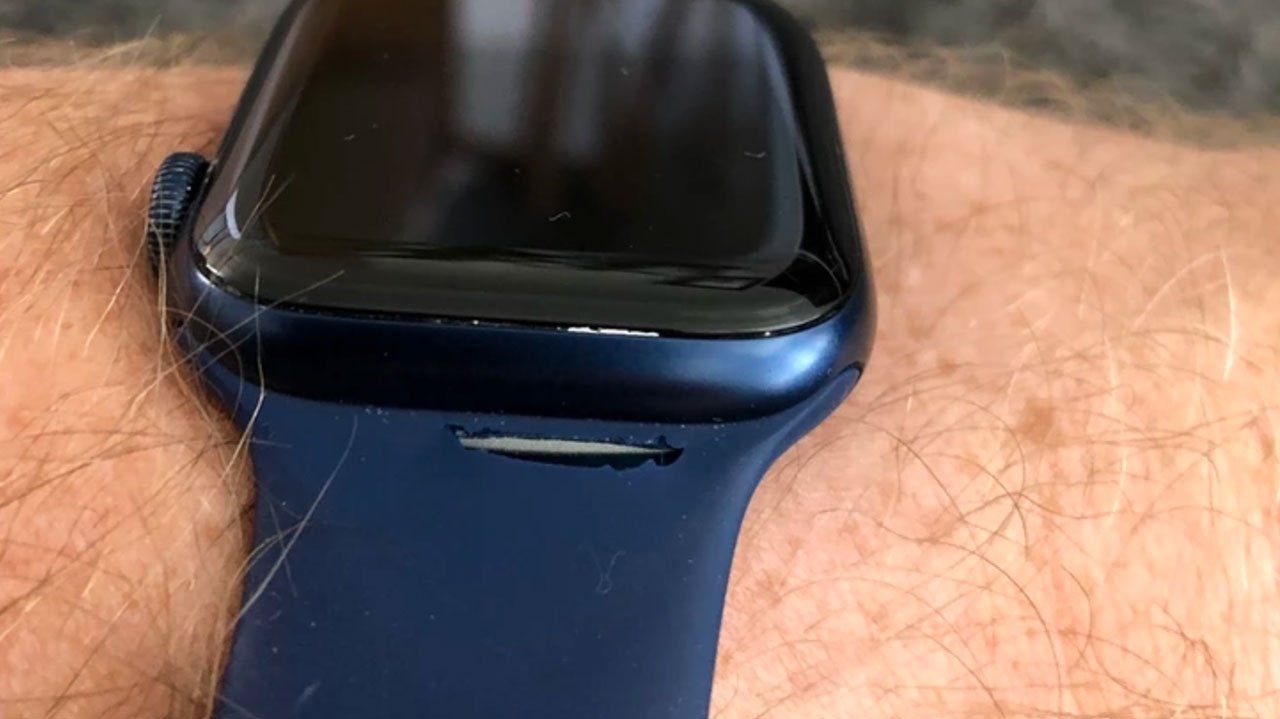
Visible cracks, peeling layers, or a sticky feel mean the silicone is breaking down. Continuing to wear it risks skin irritation and poor fit.
When Discoloration Won’t Come Out
If stains are widespread and unresponsive to cleaning, replacement is the best option. Fresh bands cost less than most phone repairs and restore hygiene and comfort.
Persistent Skin Irritation
Redness or itching—even after cleaning—may signal trapped bacteria or material degradation. Swap in a new band and consider rotating between two to reduce wear.
Final Tips for Long-Term Band Care
Maximize lifespan with smart habits.
- Rotate bands if you own multiple. It reduces daily stress on any single band.
- Avoid contact with lotions, perfumes, and oils—they degrade silicone faster.
- Store in a cool, dry place away from sunlight and humidity.
- Check for residue after cleaning. Leftover soap or acetone can irritate skin.
✅ Bonus Hack: Use Goop hand cleaner for extreme grime. One user found it outperformed a magic eraser. Apply sparingly, scrub gently, rinse well, and dry.
Bottom Line: Keeping your Apple Watch silicone band clean is simple with the right approach. Stick to warm soapy water for weekly upkeep, use targeted solutions for stains, and disinfect regularly—especially after workouts. Avoid heat, harsh chemicals, and abrasives. With proper care, your band will stay fresh, stain-free, and comfortable for months longer. When in doubt, refer to Apple’s guidelines and always prioritize safety over speed. A little maintenance goes a long way in protecting both your device and your skin.