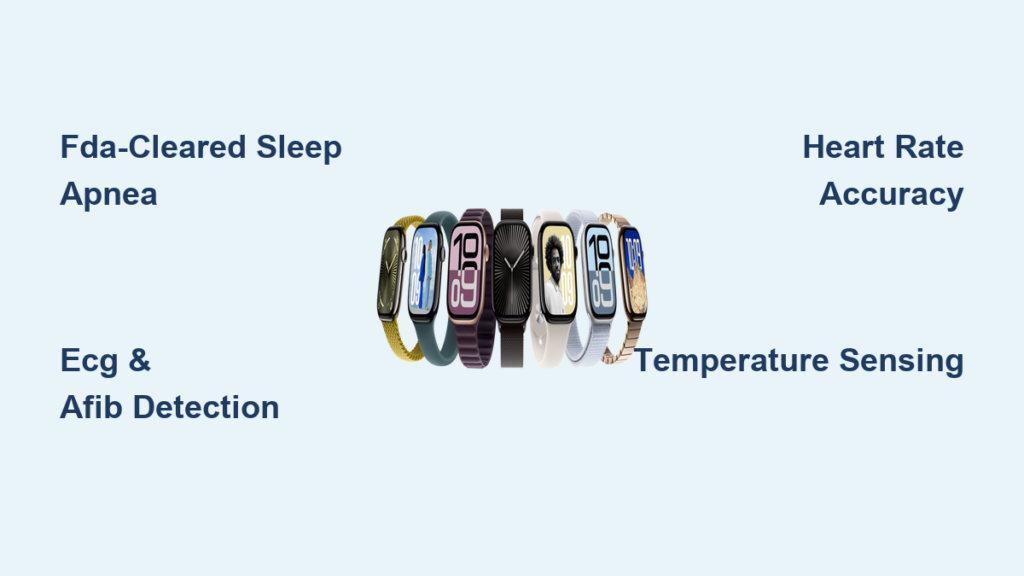
If you’ve ever wondered whether your smartwatch could do more than just count steps, the Apple Watch Series 10 answers with quiet confidence. It’s not the flashiest upgrade in Apple’s history—no bold new hardware, no flashy redesign—but as a health tracking platform, it stands at the pinnacle of consumer wearables. With FDA-cleared features, clinically validated sensors, and seamless integration into daily life, the Series 10 transforms passive data into meaningful health insights. Whether you’re monitoring heart rhythm, screening for sleep apnea, or tracking fertility, this device functions as a 24/7 wellness partner—especially for iPhone users who want science-backed tools on their wrist.
Unlike previous models that introduced new sensors, the Series 10 focuses on refinement over revolution. There’s no new optical heart sensor or blood oxygen monitor. Instead, Apple leverages over a decade of algorithmic evolution and regulatory progress to deliver unmatched reliability across core health metrics. With watchOS 11, it gains advanced tools like Training Load and home-based sleep apnea detection—features once exclusive to medical devices. For the first time, a consumer smartwatch offers real clinical value beyond basic fitness tracking.
This guide breaks down every health feature on the Apple Watch Series 10, backed by testing data, user insights, and expert analysis. You’ll learn where it excels, where it falls short, and whether upgrading is worth it for your health goals.
Heart Rate Accuracy: Best-in-Class Across Activities
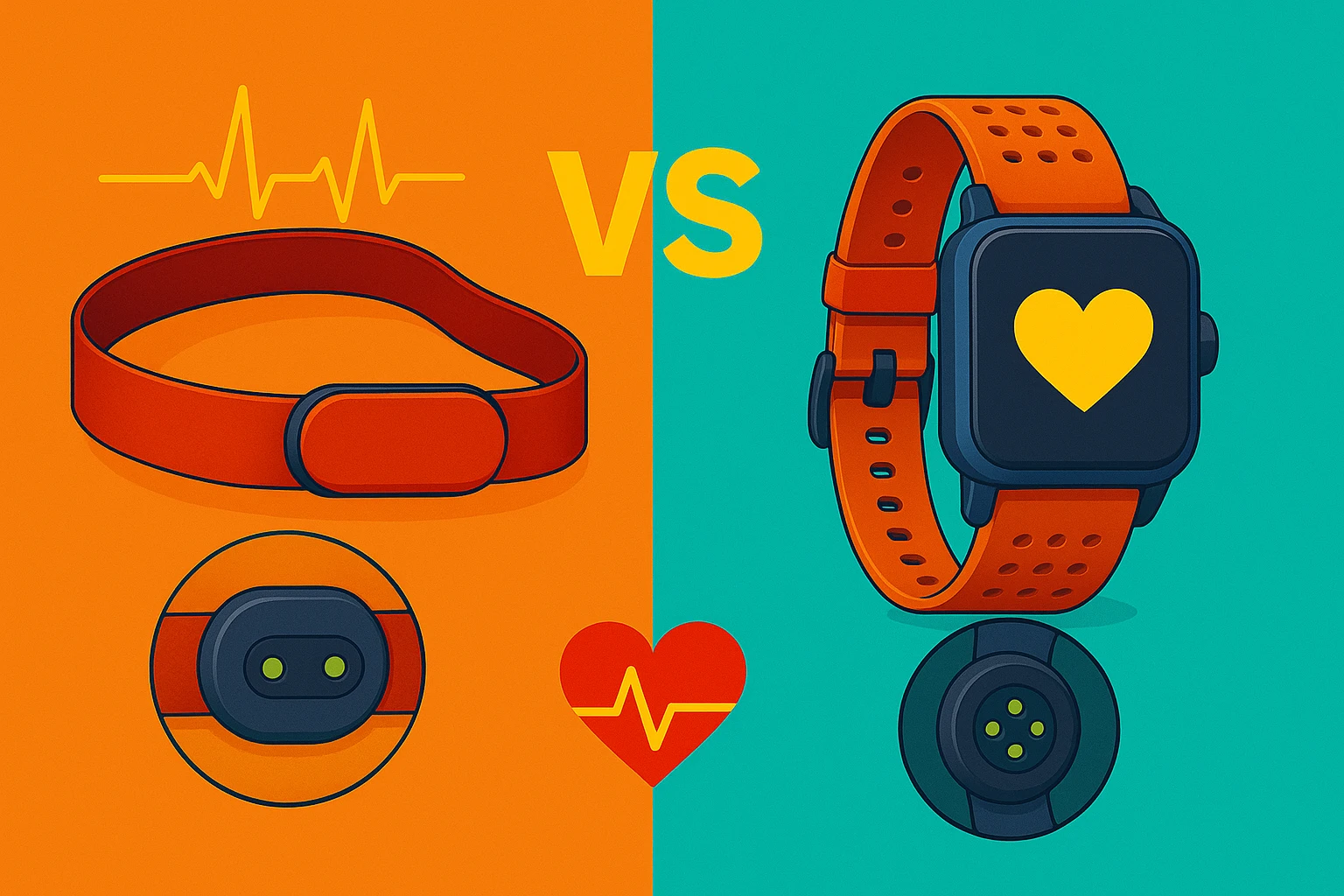
The Apple Watch Series 10 delivers near-perfect heart rate tracking during most workouts, consistently matching the accuracy of chest straps like the Polar H10.
Indoor Cycling and Running Performance
In real-world tests, both the 42 mm and 46 mm models achieved a correlation of 1.0 with chest strap readings during indoor cycling and running. This means the watch tracks your BPM within 1–3 beats per minute, even at peak intensity. Signal dropout is rare, and when motion interference occurs, the watch pauses tracking instead of guessing, preventing false spikes.
For runners and spin class enthusiasts, this level of precision ensures your calorie burn, VO₂ max estimates, and recovery metrics stay accurate. The 46 mm model holds a slight edge in bright sunlight, maintaining signal stability where smaller models may briefly dip.
Outdoor Activity and Weightlifting Limits
Outdoor running and cycling show similarly strong results, with the 46 mm version maintaining a perfect 1.0 correlation. The 42 mm model drops to 0.99—still excellent—but may lose signal during rapid arm movements or high-intensity bursts.
Weightlifting remains the toughest challenge for any wrist-based tracker. During resistance training, the Series 10 scores a 0.94 correlation, meaning it captures trends accurately but can miss peak heart rates due to muscle tension blocking blood flow. Still, it outperforms most Fitbit and Garmin watches by refusing to report false values when the signal is weak.
Pro Tip: For strength athletes, pair your Apple Watch with a Polar H10 chest strap via Bluetooth. This bypasses optical sensor limitations and delivers gym-accurate heart rate data.
Sleep Tracking: Top-Tier But No Improvement Over Series 9
While Apple continues to lead the wrist-based sleep tracking market, the Series 10 brings no meaningful gains in accuracy compared to its predecessors.
How Accurate Is Stage Detection?
Using EEG-grade ZMax headbands as a reference, the Series 10 correctly identifies:
– 86% of light sleep
– 72% of REM sleep
– 62% of deep sleep
– Only 29% of awake moments, mostly missing micro-awakenings
Despite these limitations, the watch reliably detects major sleep cycles—when deep and REM phases occur—and gets transition timing within 15 minutes of clinical readings. That’s sufficient for most users to understand sleep quality trends over time.
Who Should Rely on It?
If you’re upgrading from a Series 6 or later, don’t expect better sleep data. The algorithms haven’t changed. However, if you’re new to Apple Watch or coming from a Fitbit or Whoop, the Series 10 offers superior stage classification and smoother iPhone integration.
Expert Note: The Oura Ring still leads in detecting subtle disruptions, but the Apple Watch wins in ease of use and daily consistency.
Sleep Apnea Detection: FDA-Cleared Screening at Home
One of the most significant health advancements in any wearable arrives with watchOS 11: FDA-cleared sleep apnea detection.
How It Works Without New Sensors
Unlike lab tests requiring oxygen probes and brainwave monitors, the Series 10 uses its built-in accelerometer to detect breathing disturbances. By analyzing chest movement patterns during sleep, it identifies irregularities linked to obstructive sleep apnea (OSA).
You need 30 nights of consistent sleep data before the first assessment appears in the Health app. Results are categorized as:
– Low likelihood
– Medium likelihood
– High likelihood
Importantly, this isn’t a diagnosis—it’s a screening tool meant to prompt discussion with your doctor.
Why This Matters
Over 80% of sleep apnea cases go undiagnosed, often leading to hypertension, heart disease, and stroke. Traditional sleep studies are expensive and inconvenient. The Series 10 enables early, at-home detection, potentially saving lives by encouraging medical follow-up.
Availability Note: This feature only works on Series 9, Series 10, and Ultra 2 due to precise motion calibration requirements.
Temperature Sensing for Women’s Health and Wellness
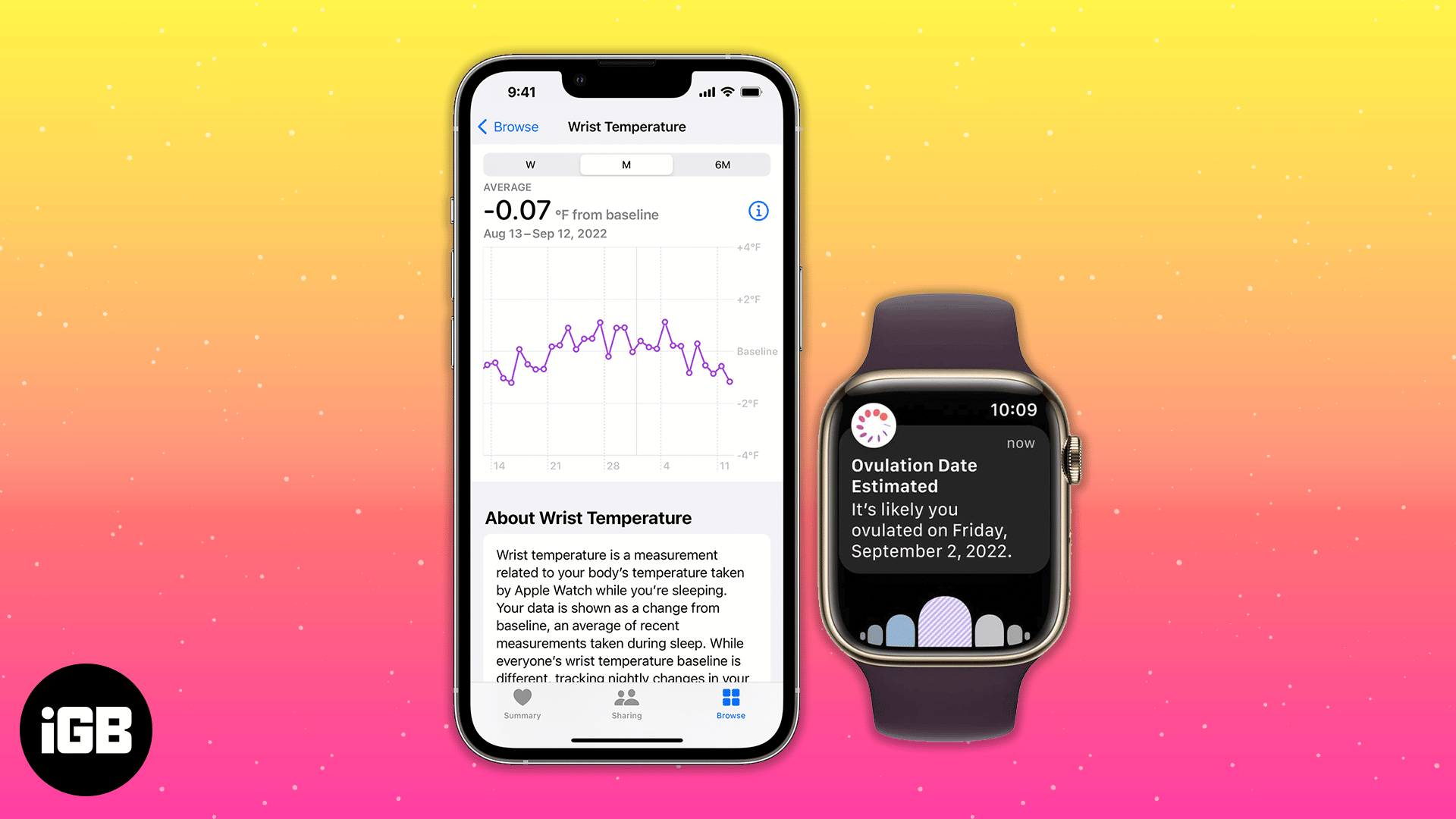
The Series 10’s wrist temperature sensor doesn’t measure real-time body temp like a thermometer. Instead, it tracks subtle overnight shifts to support long-term health insights.
Fertility and Cycle Tracking
Apple uses temperature trends to:
– Predict ovulation and menstruation windows
– Improve accuracy of period start date forecasts
– Flag potential irregularities in cycle length
For women trying to conceive or avoid pregnancy, this adds scientific rigor to natural family planning. When combined with symptom logging and basal body temperature trends, it becomes a powerful reproductive health tool.
Pregnancy and Illness Monitoring
The Health app now includes a pregnancy tracking mode, using temperature data alongside user inputs to:
– Estimate gestational age
– Track symptom patterns
– Monitor physiological changes
While not designed for fever detection, consistent deviations from your baseline temperature can signal illness onset—giving you early warning before symptoms appear.
ECG and Irregular Rhythm Notifications: Heart Health Guardian
The Apple Watch Series 10 includes two critical cardiac features: the ECG app and irregular rhythm notifications—both FDA-cleared.
How to Take an ECG
In 30 seconds, you can generate a single-lead electrocardiogram by:
1. Opening the ECG app
2. Resting your arm on a flat surface
3. Touching your finger to the digital crown
Results appear instantly and are saved in the Health app for sharing with your physician. The watch detects:
– Atrial fibrillation (AFib)
– Bradycardia (low HR)
– Tachycardia (high HR)
– Unclassifiable readings
Passive Monitoring Saves Lives
Even without opening the app, the watch continuously analyzes heart rhythm in the background. If it detects possible AFib over multiple sessions, it sends an alert suggesting you see a doctor.
This has led to numerous documented cases of early arrhythmia detection—especially in people with no symptoms.
Key Benefit: Peace of mind for users over 40 or with family history of heart issues.
No Blood Oxygen Sensor: A Major Missed Feature
Despite its health focus, the Apple Watch Series 10 lacks a blood oxygen (SpO₂) sensor—a feature removed from standard models and not returning anytime soon.
Why This Matters
SpO₂ monitoring helps track:
– Respiratory health during illness (e.g., flu, pneumonia, post-COVID)
– Sleep quality (low oxygen = potential apnea or poor breathing)
– High-altitude performance
While the Ultra line retains this sensor, aluminum and titanium Series 10 models do not, limiting their utility for users concerned about lung function.
Workarounds
To monitor blood oxygen:
– Use a pulse oximeter (like Withings or Masimo)
– Consider the Apple Watch Ultra 2 if you need full respiratory tracking
– Rely on third-party apps that integrate external device data
User Impact: This omission makes the Series 10 less valuable during cold/flu season or for those with asthma or COPD.
Hearing Health: Protecting Your Ears Proactively
Apple continues its leadership in auditory wellness with robust noise exposure tracking.
Real-Time Noise Alerts
The watch automatically measures ambient sound levels using its microphone. If noise exceeds 80 dB for prolonged periods, it triggers alerts like:
– “You’ve been in a loud environment for 10 minutes.”
– “Consider moving to a quieter place.”
This helps prevent noise-induced hearing loss, especially in loud workplaces or concerts.
Headphone Safety Features
When using AirPods or other Bluetooth headphones, the watch tracks:
– Volume level
– Duration of use
– Cumulative weekly exposure
You can set limits and receive notifications if you exceed safe listening thresholds.
Clinical Value: These tools promote lifelong hearing protection—something most wearables ignore.
watchOS 11: Smarter Health Insights with Training Load
The Series 10 launched with watchOS 11, introducing Training Load—a metric that evaluates daily physical strain.
What Training Load Measures
Using data from:
– Heart rate
– Respiratory rate
– Sleep duration
– Workout effort (user-scored 1–10)
The system assigns a daily load rating:
– Well Below Average
– Below Average
– Average
– Above Average
– Well Above Average
This helps athletes avoid overtraining and supports recovery planning.
Limitations vs Competitors
Unlike Whoop or Oura, Apple does not provide prescriptive advice like “rest today” or “go hard.” It shows strain but leaves interpretation to the user. You also need about one month of sleep data before the baseline stabilizes.
Best For: Active users who want insight into daily exertion without being told what to do.
Third-Party Apps: Unlock Advanced Health Insights
The Apple Watch Series 10 shines as a platform, not just a device. Third-party apps expand its health capabilities dramatically.
Levels App: Metabolic Health Tracking
By connecting to a continuous glucose monitor (CGM), the Levels app turns your watch into a metabolic dashboard. It combines:
– Glucose trends
– Food logs (via photo or barcode scan)
– Activity and sleep data
You get:
– Meal impact scores
– Real-time insulin sensitivity feedback
– Personalized energy optimization tips
Results from blood analysis arrive in 48 hours, helping users fine-tune diet and exercise for better energy and body composition.
Who It’s For: People managing prediabetes, optimizing performance, or seeking weight loss.
Fall Detection: Reliable Emergency Response
Fall Detection remains one of the most life-saving features on the Apple Watch.
Real-World Test Results
In a controlled test:
– A deliberate fall while biking was detected instantly
– Emergency alert activated after 30 seconds
– User successfully dismissed false alarm
– No accidental triggers during normal use
The system uses motion data and impact force to distinguish real falls from bumps or drops.
Who Should Enable It?
- Seniors or older adults
- People with mobility issues
- Outdoor athletes (cyclists, hikers)
When enabled, it can call emergency services and notify your emergency contacts automatically.
Design and Battery Life: Comfort Meets Daily Charging

The Series 10’s thinner, lighter build improves comfort for 24/7 wear—critical for accurate sleep and health monitoring.
Key Comfort Upgrades
- 9.7 mm thick — 10% thinner than Series 9
- 20% lighter in titanium models
- Larger display on 46 mm than even the 49 mm Ultra 2 (due to curved edges)
This means:
– Less pressure on the wrist during sleep
– Reduced skin irritation
– Higher compliance with overnight tracking
Despite improvements, battery life remains 18 hours, requiring daily charging. However, fast charging (80% in 30 minutes) makes it easy to top up during your morning routine.
Health Impact: The more comfortable the watch, the more consistently you’ll wear it—leading to better long-term data.
iPhone Integration: The Apple Health Advantage
No other smartwatch matches the ecosystem depth of the Apple Watch.
Centralized Health Dashboard
All data flows into the Health app on iPhone, where you can:
– View trends over time
– Share reports with doctors
– Set medication or hydration reminders
– Enable Live Activities (e.g., water intake tracking)
Siri and Smart Stack
- Use Siri to log health data: “Start sleep timer,” “Log headache”
- Smart Stack widgets show:
- Upcoming medication
- Rain alerts
- Sleep schedule reminders
This level of automation reduces mental load and increases adherence to healthy habits.
Who Should Buy the Apple Watch Series 10?
Ideal Buyers
- New Apple Watch users: Best-in-class health tracking right out of the box
- Women managing fertility or pregnancy: Enhanced cycle and temperature insights
- Heart health-conscious individuals: ECG and AFib detection offer real peace of mind
- Sleep apnea risk patients: FDA-cleared screening is a game-changer
- iPhone power users: Seamless integration with Health app and Fitness+
Who Can Skip It?
- Series 6–9 owners: No meaningful health tracking upgrades
- Budget buyers: The Apple Watch SE (2022) offers 90% of health features at half the price
- Android users: No full functionality; not compatible
- Multi-day battery seekers: Consider Garmin or Whoop instead
Final Note: The Apple Watch Series 10 isn’t about new sensors—it’s about trusted science, seamless software, and clinical-grade tools in a comfortable, everyday wearable. It’s the most complete health tracking platform for iPhone users in 2025. While it lacks blood oxygen monitoring and multi-day battery life, its FDA-cleared sleep apnea detection, ECG, and refined algorithms make it a leader in preventive health. If you’re serious about long-term wellness, the Series 10 isn’t just a smartwatch—it’s a health partner.