Your Apple Watch tracks every heartbeat, step, and workout—but it also collects sweat, grime, and bacteria with every wear. If your Apple Watch feels sticky, smells off, or your bands show discoloration, it’s time for a proper clean. More than just appearance, dirty sensors can skew heart rate, ECG, and SpO₂ readings. Sweat, lotions, and oils build up fast, especially during daily workouts or 24/7 wear.
The good news: cleaning your Apple Watch and bands is simple, fast, and safe—if done correctly. But not all materials clean the same way. Using the wrong method can damage your device or ruin your favorite band. This guide delivers step-by-step cleaning techniques, material-specific care, and real-world tested solutions so you keep your Apple Watch accurate, hygienic, and looking fresh. Whether you have a Silicone Sport Band, Leather Link, Braided Solo Loop, or stainless steel Milanese Loop, you’ll know exactly how to clean it—without risking damage.
Power Off and Prepare Your Apple Watch for Cleaning
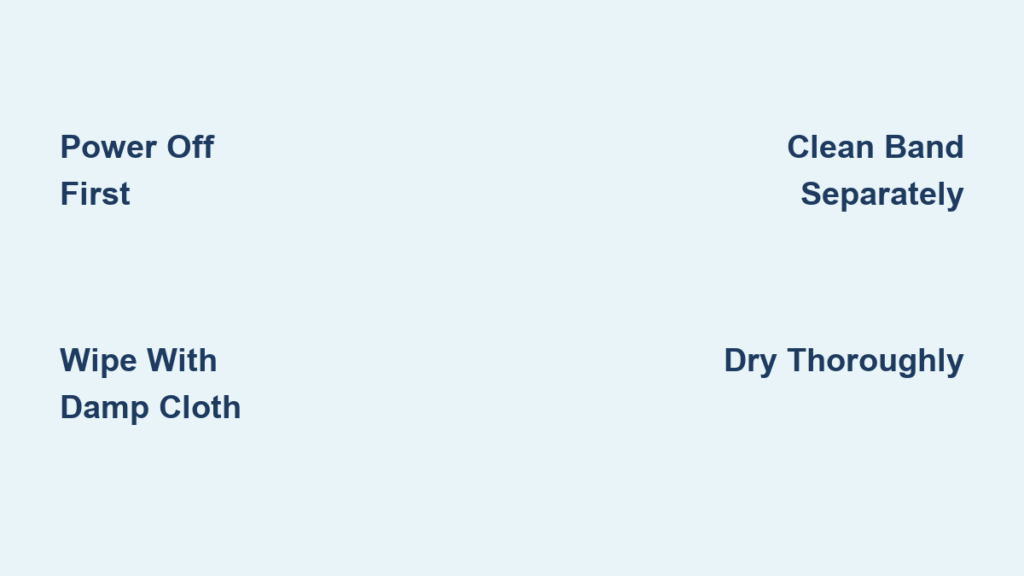
Before you touch water or cleaning tools, turn off your Apple Watch to reduce the risk of water entering active components. Press and hold the side button until the power slider appears. Swipe to Power Off. This step is non-negotiable—cleaning a powered-on watch increases the chance of moisture damage.
Next, remove the band, especially if it’s made of leather, fabric, or any moisture-sensitive material. Even though Apple Watch is water-resistant (up to 50 meters on Series 2 and later), it’s not waterproof. Keeping delicate bands dry prevents warping, mold, and irreversible damage.
Clean the Apple Watch Case with Water and a Microfiber Cloth
Start by wiping the entire watch with a dry, lint-free microfiber cloth to remove dust and surface oils. For stuck-on residue—like sunscreen, sweat, or hand sanitizer—lightly dampen the cloth with warm (not hot) water and gently wipe the screen and case.
Alternatively, you can hold the watch under lightly running warm tap water for 10–15 seconds. Do not submerge, use pressurized sprayers, or expose it to soaps, detergents, or chemicals. Focus on the back crystal, where the heart rate, ECG, and SpO₂ sensors are located. Buildup here directly impacts health tracking accuracy.
While rinsing, press and rotate the digital crown to flush out trapped dirt and moisture. This mechanical cleaning helps maintain smooth scrolling and prevents gunk from jamming the mechanism.
Scrub the Speakers on Apple Watch Series 10 & 11
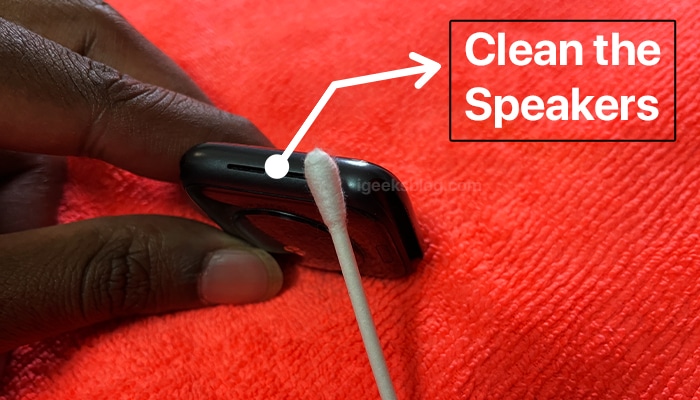
Apple Watch Series 10 and 11 feature side-mounted speakers that can become clogged with lint, earwax, or moisture. If your audio sounds muffled, cleaning is essential.
While rinsing the watch, use a soft-bristled toothbrush to gently scrub the speaker mesh in small circular motions. Apply light pressure for 30–60 seconds to dislodge debris. Avoid metal brushes or sharp tools—they can damage the delicate mesh.
After cleaning, dry thoroughly and test audio by playing a message or alarm. If sound remains unclear, repeat the process or try Apple’s Water Lock ejection feature.
Dry Completely and Clear Water Lock
After cleaning, wipe the entire watch with a dry microfiber cloth, paying close attention to the back sensors, digital crown, speaker, and microphone ports. Let it air dry for 2–3 minutes in a warm, dry spot—never use heat.
Once dry:
1. Press and hold the side button to power on.
2. Swipe up to open Control Center.
3. Tap the Water Lock icon (water droplet).
4. Press and hold the digital crown until the screen says “Unlocked.”
Your watch will emit high-frequency tones to eject any remaining water from the speaker. This step is crucial for restoring full audio function.
Clean Silicone Apple Watch Bands: Sport Band & Solo Loop
Silicone bands—like the Sport Band and Silicone Solo Loop—are durable but prone to sweat buildup, odors, and stains, especially in white or Starlight colors.
For daily maintenance, wipe with a damp microfiber cloth after workouts. For disinfecting, use a cloth lightly dampened with 70% isopropyl alcohol—never soak the band.
For a deep clean:
1. Remove the band.
2. Wash under warm water with a drop of mild dish soap (e.g., Dawn).
3. Use a soft toothbrush to scrub textured areas and connectors.
4. Rinse thoroughly.
5. Pat dry and air dry completely before reattaching.
To tackle stubborn stains:
– Baking soda paste: Gently scrub with a toothbrush, then rinse.
– Magic Eraser (melamine foam): Use sparingly—removes a thin layer of material.
– Acetone-based nail polish remover: Apply with a cotton pad to stained areas, then rinse immediately with soapy water. Effective for dye transfer but only safe on silicone.
– Pink Stuff or Goop Cleaner: For deep-set stains—scrub for 10+ minutes, then rinse.
Pro Tip: Sponge Daddy + dish soap is a top-rated combo for green discoloration from laundry detergent.
Care for Leather Apple Watch Bands: Modern Buckle & Leather Link
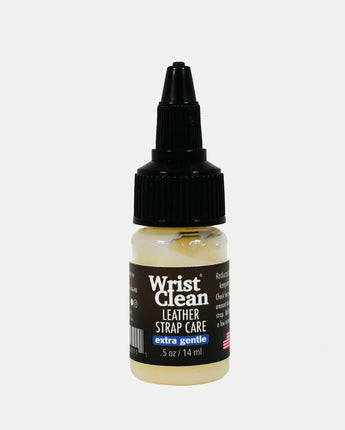
Leather bands offer elegance but demand gentle care. Never soak or machine wash—this causes warping, cracking, and mold.
To clean:
– Wipe with a slightly damp, lint-free cloth.
– For deeper cleaning, use a leather-specific cleaner applied to a soft cloth—never directly on the band.
– Rub gently in circular motions, then let it air dry away from sunlight or heat.
After drying, apply a leather conditioner to restore moisture and prevent brittleness. This keeps the band soft and maintains its luster.
Avoid:
– ❌ Water immersion
– ❌ Alcohol wipes (dry out leather)
– ❌ Abrasive cloths (scratch the surface)
– ❌ Machine washing
Clean leather bands monthly or when they feel stiff or look dull.
Wash Fabric & Nylon Apple Watch Bands: Sport Loop, Trail Loop, Braided Solo Loop
Fabric bands—Sport Loop, Trail Loop, Braided Solo Loop, Alpine Loop—absorb sweat and oils quickly, leading to odor and discoloration.
Hand wash is the safest method:
1. Remove the band.
2. Use warm water and mild hand soap.
3. Scrub gently with a soft toothbrush, especially at connectors.
4. Rinse thoroughly to remove soap residue.
5. Lay flat on a towel, roll to squeeze out moisture, then air dry completely.
Never twist or wring—the fabric can lose its shape.
For persistent odor or stains, soak in Oxyclean and water for 10–15 minutes, then scrub and rinse.
Some users machine wash fabric bands:
– Place in a delicates bag or zippered pillowcase.
– Use gentle cycle with no fabric softener (it degrades elastic fibers).
– Air dry only—no heat.
Works well for Sport Loop and Trail Loop. Not recommended for Alpine Loop or Ocean Band.
Avoid:
– ❌ Bleach
– ❌ Soaking too long
– ❌ Direct heat or sunlight
Shine Metal Apple Watch Bands: Milanese Loop & Stainless Steel Link

Metal bands resist wear but collect fingerprints, dust, and grime in tight spaces.
For daily care, wipe with a slightly damp soft cloth, then dry with a microfiber towel to prevent water spots.
For a deep clean:
1. Remove the band.
2. Mix warm water and mild soap.
3. Use a soft-bristled brush to scrub between links and around connectors.
4. Rinse and dry thoroughly.
Pay extra attention to the magnets in the Milanese Loop—moisture here can cause corrosion.
To disinfect and add shine, wipe with a cloth dampened with 70% isopropyl alcohol, then buff with a dry microfiber cloth.
Never use steel wool, abrasive cleaners, or ammonia-based products—they scratch the finish.
Clean Solo Loop Variants by Material
The Solo Loop and Braided Solo Loop require different care:
- Silicone Solo Loop: Treat like a Sport Band—clean with soap and water, wipe with alcohol, avoid acetone unless necessary.
- Braided Solo Loop: Treat like a Sport Loop—hand wash with mild soap, scrub connectors, air dry. Do not soak—can loosen the braid.
Follow a Smart Cleaning Schedule
Quick Clean (After Every Use)
- When: Post-workout, swimming, or daily wear
- How: Wipe with damp microfiber cloth
- Time: 1–2 minutes
- Purpose: Remove sweat and surface dirt
Deep Clean (Weekly to Bi-Weekly)
- When: Weekly for active users, bi-weekly for casual wear
- How: Remove band, wash with soap/water, scrub, dry fully
- Time: 10–15 minutes
- Purpose: Eliminate bacteria, stains, and sensor blockage
Pro Tip: Rotate 2–3 bands to extend lifespan and allow full drying.
Avoid These 7 Common Cleaning Mistakes
- Using harsh chemicals—bleach, ammonia, or Windex damage coatings.
- Soaking leather or fabric—causes mold and fiber breakdown.
- Using abrasive tools—steel wool scratches metal and wears silicone.
- Machine drying—heat warps silicone and ruins fabric.
- Skipping drying—traps moisture, causes irritation or corrosion.
- Cleaning a powered-on watch—increases water ingress risk.
- Using acetone on non-silicone—damages leather, fabric, and metal finishes.
When to Replace Your Band
Even with care, bands wear out. Replace if:
– Cracking, peeling, or fraying
– Persistent odor after cleaning
– Discoloration that won’t come out
– Loose fit or weak clasp
– Skin irritation continues post-cleaning
A fresh band improves comfort, hygiene, and style.
Follow Apple’s Official Cleaning Guidelines
Per Apple Support (Article 108893):
– Use a nonabrasive, lint-free cloth.
– Lightly dampen with fresh water if needed.
– May use mild hypoallergenic hand soap.
– Dry thoroughly before reattaching.
Never use 70% isopropyl alcohol on leather or fabric—only on silicone or stainless steel when necessary.
Final Tips for Long-Lasting Cleanliness
- Wipe bands after workouts—prevents odor and buildup.
- Rinse silicone bands post-exercise—removes sweat before it stains.
- Rotate bands—reduces wear and allows drying.
- Avoid leather/fabric during intense activity—save for casual wear.
- Store properly—in a cool, dry place away from sunlight.
- Wash dye-transferring clothes first—black or green shirts often stain white bands.
A clean Apple Watch isn’t just about looks—it’s about accuracy, hygiene, and longevity. Clean smart, clean often, and wear with confidence.